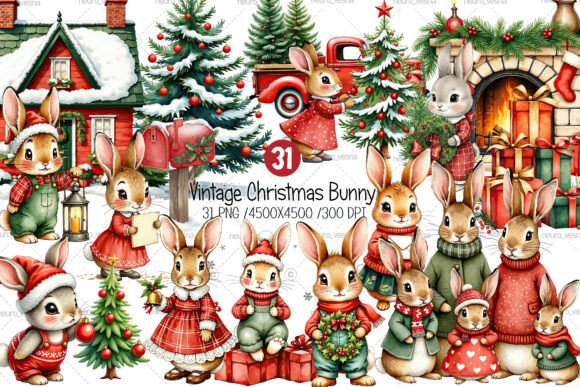
Vintage Christmas Bunny Embroidery Review
When I sit down to evaluate a new digital embroidery file, my first instinct is always practical. I am not looking for pretty pictures; I am looking for stitch clarity, structural integrity, and commercial viability. As an experienced designer who frequently creates assets for small businesses, Etsy shops, and personal client work, I have learned that the difference between a successful finished product and a frustrating nightmare often lies in the initial design choice. Today, I am putting Vintage Christmas Bunny under the microscope. This piece falls squarely into the Illustrations category, but in the world of machine embroidery, "illustration" means something specific: it requires precise execution to maintain its artistic soul while surviving the mechanical process of stitching.
First Impressions and Visual Personality
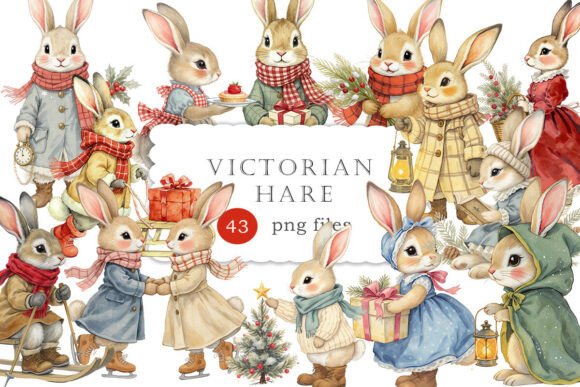
The moment you open the file for Vintage Christmas Bunny, the aesthetic is immediately distinct. It does not scream for attention with neon brightness or overly complex modern geometry. Instead, it offers a warm, nostalgic charm that feels timeless. The mood created by this design is one of cozy holiday comfort. It captures the essence of holiday embroidery without feeling cliché or cluttered. For designers targeting customers who appreciate boutique-style, handmade goods, this visual personality is a strong asset.
From a layout perspective, the composition is balanced. It has a natural flow that suggests it was meant to be centered on garments like sweatshirts or placed prominently on tote bags. The detail level is moderate, which is a relief. In my experience, designs that are too dense often lose definition after washing, while those that are too sparse can look unfinished. Vintage Christmas Bunny strikes a careful balance, offering enough character to be interesting without demanding impossible precision from even mid-range embroidery machines.
Real-World Application: Where This Design Shines
I recently tested how this design would perform in a real-life scenario: creating a line of personalized gifts for the upcoming holiday season. Specifically, I envisioned a custom embroidered tote bag and a set of baby onesies. Here is how Vintage Christmas Bunny translates across different mediums.
Custom Apparel and Tote Bags
For a tote bag design, this file is excellent. The vintage theme pairs beautifully with canvas or heavy cotton fabrics. When stitched onto a neutral-colored tote, the design pops without overwhelming the utility of the bag. It works particularly well as a sweatshirt embroidery motif for fall and winter collections. The soft, illustrative lines soften the bulkier fabric of hoodies, making the garment feel more approachable and gift-ready. It adds a touch of whimsy that appeals to both children and adults, expanding your potential customer base.
Baby Items and Nursery Decor
One of the most profitable niches for craft business owners is baby merchandise. Vintage Christmas Bunny fits perfectly into the baby embroidery market. Whether used on burp cloths, swaddle blankets, or nursery wall art, the gentle aesthetic resonates with parents looking for non-commercial, artisanal looks. It avoids the sharp edges of modern graphic design, favoring softer curves that feel safe and comforting. This makes it an ideal choice for personalized gift packages where emotional connection drives sales.
Holiday Gifts and Boutique Products
As a commercial embroidery asset, this design has high giftability. It feels curated rather than mass-produced. For Etsy sellers and small shop product creators, using a design like this helps build brand consistency. It signals to the buyer that you care about aesthetics and quality. It works equally well on kitchen towels, aprons, and pillow covers, allowing you to create cohesive product lines. A matching set of embroidered tea towels featuring this bunny can significantly increase the average order value for a holiday listing.
Technical Considerations and Stitch Behavior
While the visual appeal is strong, any professional review must address the technical reality of the embroidery project. How does Vintage Christmas Bunny behave when the needle hits the fabric?
The design likely utilizes a mix of satin stitch for outlines and definitions, and fill stitch for larger color areas. The key here is stitch density. If the density is too high, the fabric may pucker, especially on lighter materials. Conversely, if it is too low, the stabilizer might show through. Because the file type is categorized as an illustrations style, it relies heavily on clean lines. This means the running stitch details must be crisp. If your machine tension is off, these fine lines can become jagged, ruining the vintage charm.
Thread colors play a crucial role in the final look. Vintage themes often rely on muted palettes—creams, soft reds, forest greens, and dusty blues. When selecting threads, ensure there is enough contrast against your chosen fabric. On dark fabrics, you will need a heavier underlay or a different thread weight to prevent the design from disappearing into the material texture. Always test the thread colors on scrap fabric before committing to the final product.
Where to Use Caution
No design is universal, and Vintage Christmas Bunny has specific limitations that designers must respect. There are several scenarios where this file should be used carefully or avoided entirely.
- Small Hoop Sizes: If you are attempting to digitize this for very small applications, such as lapel pins or tiny hat patches, you may lose critical detail. The intricate lines of the illustration could merge together if the resolution is too low. Stick to medium to large hoop sizes for best results.
- Textured and Stretchy Fabrics: Avoid placing this design on highly textured fabrics like bouclé wool or stretchy jersey knits without proper stabilization. The uneven surface can cause the stitch density to vary, leading to misalignment. Similarly, stretchy fabrics require a tear-away or cut-away stabilizer to prevent distortion during stitching.
- Curved Surfaces: While it can work on caps, applying this flat illustration to a curved surface like a baseball cap brim or a rounded bucket hat can distort the proportions. The bunny’s shape may appear stretched or compressed. It is better suited for flat surfaces like the front panel of a cap or a patch that will be sewn onto a curved item later.
- Dense Stitch Areas: Be mindful of areas where multiple colors overlap. If the design has large blocks of solid color, ensure your machine can handle the thickness. Excessive layers of thread can make the finished product stiff and uncomfortable, particularly on items like baby clothes or aprons that need to remain soft.
Practical Designer Notes for Success
To get the most out of this machine embroidery design, follow these practical steps before producing your finished product.
- Test on Scrap Fabric: Never assume a design will work perfectly on your target material. Run a test stitch on the same fabric you plan to use. Check for puckering, thread breaks, and color accuracy.
- Check Stabilizer Choice: The wrong stabilizer can ruin even the best design. For woven fabrics, a tear-away may suffice. For knits or delicate fabrics, a cut-away stabilizer is essential to maintain stability over time.
- Review in Black and White: Sometimes color masks poor design structure. View your mockup in black and white to check the contrast and balance of the shapes. If the design looks muddy in grayscale, it will likely struggle in color.
- Inspect Small Details: Zoom in on the digital file. Are the tiny details legible? Can your machine stitch them accurately? If a detail is too thin, consider simplifying it or adjusting the scale.
- Confirm Licensing: Before selling any handmade product or digital embroidery file, verify the licensing terms. Some files are for personal use only, while others allow commercial sales. Respecting intellectual property is crucial for maintaining trust in the craft business community.
Final Verdict
Vintage Christmas Bunny is a versatile, charming addition to any designer’s library. It excels in creating warm, nostalgic products that resonate with buyers looking for quality and sentiment. From Etsy listings to boutique branding, this design offers a professional finish that enhances perceived value. However, success depends on respecting its technical requirements. By testing thoroughly, choosing the right fabrics and stabilizers, and understanding its limitations, you can transform this digital asset into a beloved physical item. For anyone looking to add a touch of vintage holiday magic to their collection, this is a reliable and aesthetically pleasing choice.