Quirky Christmas Clipart: A Publisher’s Review of Seasonal Illustrations
As a digital publisher and blog designer, I spend countless hours evaluating visual assets not just for their aesthetic appeal, but for their functional utility in content marketing. When it comes to seasonal content, the difference between a generic stock photo and a cohesive, branded graphic can significantly impact reader engagement. Recently, I integrated Quirky Christmas Clipart into several real-world publishing workflows, ranging from affiliate blog posts to downloadable lead magnets. This review breaks down how these Illustrations perform under the pressure of professional editorial design.
The First Impression: Mood and Editorial Fit
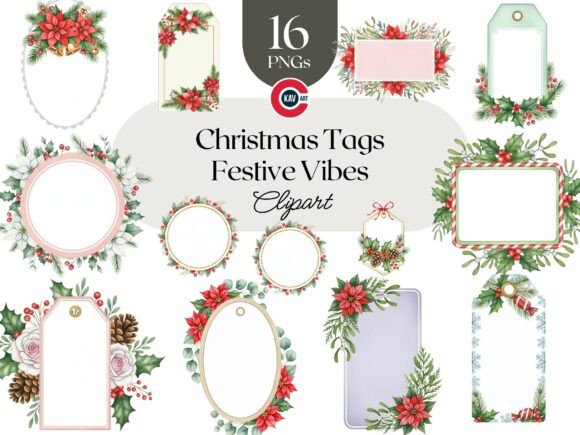
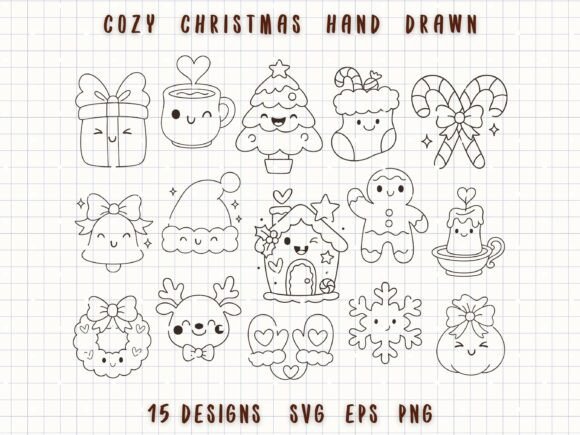
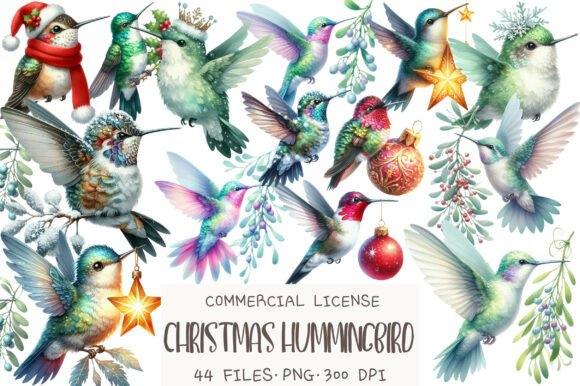
The immediate takeaway from using this graphic design asset is its distinct personality. Unlike traditional, formal holiday imagery that often feels stiff or corporate, this collection leans heavily into a playful, modern, and slightly whimsical tone. For lifestyle bloggers, creative entrepreneurs, and small business owners, this mood aligns perfectly with current trends in modern design. It creates an editorial atmosphere that feels approachable and friendly, which is crucial for building reader trust during the busy holiday season.
Visually, the illustrations strike a balance between being decorative and clean. They are bold enough to catch the eye in a crowded social media feed but simple enough to maintain readability when overlaid with text. This makes them ideal for visual hierarchy, allowing headlines to remain the primary focus while the graphics provide context and emotional resonance. The style suggests a niche that values authenticity and creativity over rigid professionalism, making it a strong fit for content marketing strategies focused on community and connection.
Real-World Publishing Applications
In my testing, Quirky Christmas Clipart proved versatile across multiple touchpoints in the user journey. Here is how it performed in specific blog graphics and editorial contexts:
- Pinterest Pins and Social Media Graphics: The vibrant and quirky nature of these images performs exceptionally well on Pinterest. The unique style helps pins stand out in vertical feeds, increasing click-through potential. They work well as standalone visuals or as accents behind bold typography.
- Newsletter Headers and Banners: For email marketing, these illustrations add warmth without cluttering the layout. Using them as background elements or sidebars in newsletters helps reinforce brand identity and keeps the subscriber experience visually consistent.
- Digital Guides and Lead Magnets: When designing downloadable resources like worksheets or eBooks, these assets elevate the perceived value. A cover page featuring high-quality, thematic Illustrations signals to the user that the content inside is polished and worth downloading.
- Affiliate Content Visuals: In product roundups or gift guides, these graphics serve as effective category icons or dividers. They break up long-form text and guide the reader’s eye toward affiliate links, supporting affiliate marketing goals without feeling salesy.
- Website Headers and Category Thumbnails: For site-wide updates, these illustrations can be used to create temporary website header designs that signal a seasonal shift. They also function well as category thumbnails, helping users navigate content more intuitively.
Impact on Content Performance and Trust
Visual consistency is a key driver of authority online. By integrating a cohesive set of design assets like this, publishers can strengthen their brand identity across all platforms. When a reader sees the same quirky, festive style on a blog post, a Pinterest pin, and an Instagram story, it creates a recognizable visual language. This recognition fosters familiarity, which translates to higher trust and lower bounce rates.
Furthermore, the quality of these illustrations supports better web design principles. They are vector-friendly and scalable, ensuring that your content looks sharp on retina displays and mobile devices alike. A polished look reduces cognitive load for the reader, allowing them to focus on the message rather than deciphering low-resolution or mismatched imagery. In the context of content marketing, every pixel counts toward retaining attention.
Optimizing for Specific Layouts
To get the most out of this asset, consider where it shines brightest in your editorial calendar:
- Hero Images: Use full-width versions for article headers to make a strong first impression.
- Editorial Accents: Scatter smaller icons within text blocks to maintain visual interest and break up dense paragraphs.
- Downloadable Resources: Incorporate them into printables, such as planners or checklists, to enhance the printable design aspect.
- Social Media Previews: Create custom thumbnails for Facebook and LinkedIn posts to increase engagement rates.
Where to Exercise Caution
While these illustrations are versatile, they are not a universal solution. There are specific contexts where Quirky Christmas Clipart might clash with your brand voice or technical constraints:
- Small Mobile Thumbnails: Intricate details may get lost when images are scaled down to thumbnail size. Always preview your graphics at 50% scale to ensure clarity.
- Text-Heavy Blog Images: If your image requires significant text overlay, choose simpler compositions from the set to avoid visual competition between the text and the illustration.
- Low-Contrast Backgrounds: Ensure there is sufficient contrast between the graphic and its background. Muted or busy backgrounds can make the colors muddy and reduce readability.
- Serious Professional Niches: If you operate in a highly regulated industry (e.g., finance, legal, or healthcare), the playful tone might undermine the seriousness of your message. In such cases, a more minimal visual system is preferable.
- Corporate Content: For strictly corporate blogs, the quirkiness may feel too informal. Assess whether the brand guidelines allow for this level of creative expression.
Practical Publisher Notes for Implementation
Before deploying these assets, I recommend running through a quick technical and stylistic checklist to ensure they integrate seamlessly into your workflow:
- Test on Multiple Devices: View the graphics on both desktop monitors and mobile phones. Check how they render in different browsers and operating systems.
- Preview in Real Contexts: Do not view the images in isolation. Place them inside your actual Canva template or CMS layout to see how they interact with your existing color palette and grid structure.
- Check Contrast and Readability: Use accessibility tools to verify that any text placed near or on the graphics meets WCAG standards. High contrast ensures inclusivity.
- Font Pairing Experiments: Test the illustrations alongside various font styles. They pair well with bold sans-serif fonts for modern headlines, script fonts for personal touches, and handwritten fonts for casual notes. Avoid overly ornate display fonts that compete with the illustration’s detail.
- File Size Optimization: Web performance is critical. Compress your PNG or JPEG files properly to reduce load times. Large file sizes can hurt SEO and frustrate users on slower connections.
- Verify Commercial Licensing: This is non-negotiable. Confirm that you have a valid commercial license before using these assets on monetized websites, affiliate pages, or paid content products. Ensure the license covers the scope of your distribution, including email lists and social media ads.
Final Verdict for Digital Publishers
Quirky Christmas Clipart is a robust addition to any publisher’s toolkit for seasonal content. Its ability to blend playfulness with professional polish makes it suitable for a wide range of niches, from lifestyle and education to small business branding. By leveraging these Illustrations strategically, you can enhance your editorial design, improve user engagement, and create a more cohesive digital product experience.
Whether you are creating a lead magnet, updating your social media graphics, or refreshing your website’s festive theme, this asset offers the flexibility and quality needed to support serious content marketing efforts. Just remember to test thoroughly, respect licensing terms, and always prioritize the user experience. When done right, these visuals do more than decorate—they communicate your brand’s personality and drive meaningful interactions.