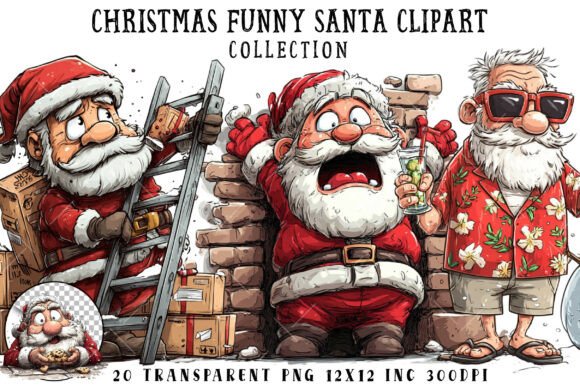
Christmas Funny Santa Clipart Review for Illustrations
I recently received a request from a client who runs a boutique holiday candle line. They wanted to refresh their packaging for the upcoming season but felt that traditional, elegant Christmas imagery was too stiff for their brand voice. Their target audience is young, playful, and loves humor in their seasonal decor. This brought me to evaluate Christmas Funny Santa Clipart as a potential core visual element. As a designer, my job isn’t just to make things look nice; it’s to ensure the visual asset supports the brand strategy, communicates the right mood, and holds up technically across various media. Here is my professional assessment of using this specific design asset for real-world commercial projects.
The First Impression: Mood and Style
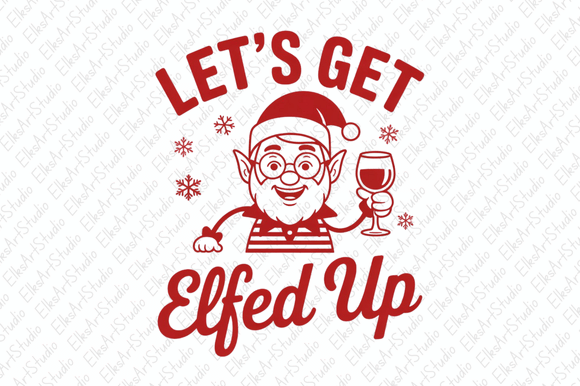
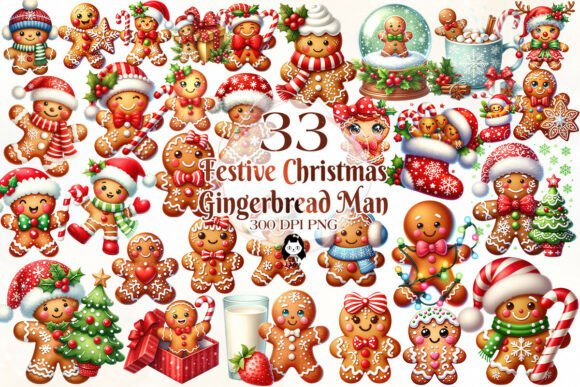
When I first opened the file, the immediate takeaway was the distinct personality of the illustration. Unlike formal vector art or rigid clipart, this piece leans heavily into a whimsical, slightly irreverent style. The character design features exaggerated expressions and loose, energetic lines that suggest movement and fun. For a handmade business or a small brand identity looking to stand out on crowded marketplaces like Etsy or Amazon, this kind of emotional appeal is crucial.
The color palette, if included in the PNG design, appears vibrant and festive without being overly saturated. It strikes a balance between recognizable holiday tropes and modern graphic trends. This makes it versatile enough for marketing visuals that need to grab attention quickly, such as Instagram posts or Pinterest pins. However, the "funny" aspect means it is not suitable for every context. It creates a casual, approachable vibe that works beautifully for consumer-facing products but would feel out of place in corporate communications or luxury branding.
Real-World Application in Client Projects
In my experience, Christmas Funny Santa Clipart shines brightest when used as a supporting element rather than the sole focal point of a complex layout. Let’s look at how it performs in specific design scenarios:
- Packaging Design: For product labels on candles, soaps, or baked goods, this clipart adds a touch of personality that encourages impulse buys. It tells the customer, "This product is fun and thoughtful."
- Social Media Graphics: When creating templates for holiday sales or giveaways, this asset serves as an excellent anchor. It breaks up text blocks and draws the eye to key information like discount codes or event dates.
- Print-on-Demand Merchandise: For t-shirt design or mug designs, the bold lines and clear shapes translate well to sublimation printing. It retains its integrity even when scaled down on smaller items like tote bags or stickers.
- Digital Products: If you are selling printable wall art or planner stickers, this illustration offers high perceived value. Customers love assets that bring a smile, making it a strong contender for a design bundle.
However, caution is required. In logo design, this type of detailed, humorous character might be too busy. Logos require simplicity and scalability. While you could use a simplified version of the Santa figure as part of a larger mark, using the full illustration as a primary logo element often leads to recognition issues at small sizes.
Technical Considerations for Professional Use
Before integrating any graphic design asset into a client project, I always run through a strict technical checklist. Here is what you need to verify with Christmas Funny Santa Clipart:
- File Format and Editability: Check if the asset comes as an SVG design or a raster PNG design. An SVG allows you to edit colors to match your client’s exact brand hex codes, ensuring brand consistency. A PNG with transparency is essential for layering over different backgrounds without white boxes appearing around the edges.
- Resolution and Scalability: Preview the asset at both large and small sizes. Does it become pixelated? Do fine details get lost? For high-resolution print jobs, ensure the DPI is sufficient (usually 300 DPI) to maintain crisp edges.
- Contrast and Readability: Place the clipart on light and dark backgrounds to test contrast. Ensure that the visual weight of the Santa figure does not overpower accompanying text. Good visual hierarchy means the text remains legible while the image enhances the message.
- Font Pairing: Test this illustration with various typography styles. It pairs well with handwritten font styles for a personal, crafty feel, or display font styles for bold headlines. Avoid pairing it with serious serif font choices unless you are intentionally going for a clashing, eclectic aesthetic.
Where It Works Best vs. Where to Exercise Caution
This asset is ideal for creative design projects that prioritize engagement and emotion. Think of editorial design for lifestyle blogs, web design headers for e-commerce stores, or decorative accents in flyers and invitations. It adds a layer of warmth and humor that static icons cannot achieve.
Conversely, use care in minimalist branding projects or professional corporate materials. If a client is launching a financial service or a legal firm during the holidays, this funny Santa might undermine their authority. Additionally, avoid placing it in crowded layouts where it competes with other elements. It needs breathing room to be effective. In Cricut projects or sticker design, ensure the cut lines align with the outer edges of the illustration for clean results.
Commercial Licensing and Final Verdict
One of the most critical steps in professional design is confirming the commercial license. Just because you can download a digital product does not mean you can sell items made with it. Always read the terms. Some licenses allow unlimited use for end-products, while others restrict the number of physical copies or require attribution. For a small business branding project, you typically need a broad commercial license that covers print-on-demand, digital downloads, and social media marketing.
Ultimately, Christmas Funny Santa Clipart is a powerful tool for designers aiming to create memorable, joyful experiences. It bridges the gap between traditional holiday cheer and modern, internet-savvy humor. When used thoughtfully—with attention to layout, typography, and licensing—it can elevate a simple project into a polished, professional result. For brands looking to connect with audiences on a human, lighthearted level, this illustration is a worthy addition to your library of design assets.